
MEET THE GHOSTS OF GISELLE

Ember Belden
I'm new to Starhouse as of this year, but I'll (hopefully) be back. I play lots and lots of Dungeons and Dragons, and my interests include video games, creative writing, and poetry. Hope everyone enjoys the show!
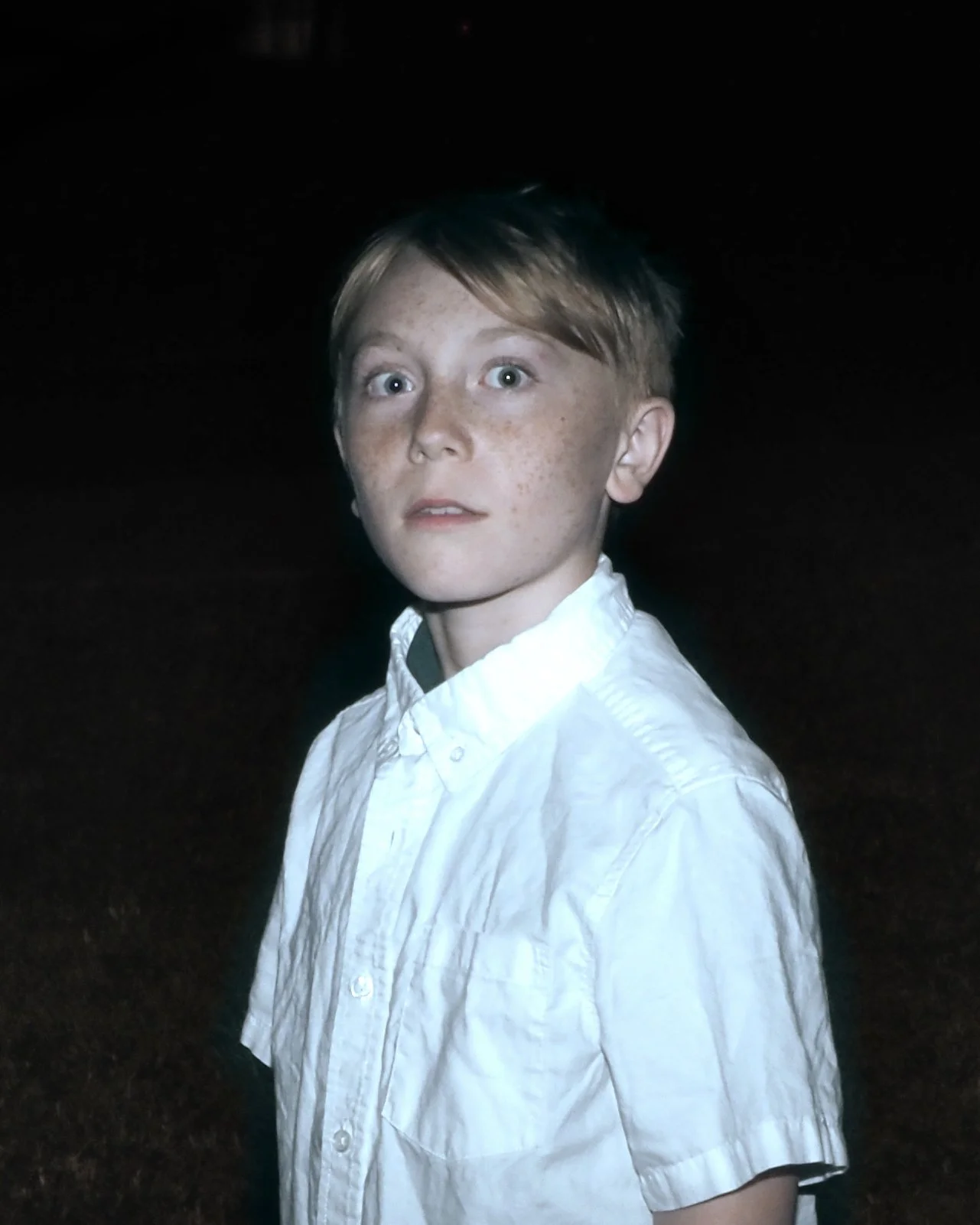
Neil Birkle
Hello! Welcome to the show! I am 12 years old and go to Willow Glen Middle School. My favorite past roles are Nemo, Willy Wonka, and Les in Newsies. This is my third summer show with SATC. In my free time, I enjoy reading, watching movies and videos, and playing Dungeons and Dragons. Hope you have a great time watching Giselle!

August Boman
This is the first musical I've been in since 5th grade, and it's been a dream come true to be involved in Giselle! I'm a cat dad (shoutout to Pooh Bear), I work in nonprofit fundraising, and I dabble in ballet and karaoke. I also host Queer Bedtime Stories, a monthly literary potluck in San Francisco (@queerbedtime on IG).


Lili Borchardt
Hi! This is my first time doing a Starhouse show and it’s been so amazing to work with this cast and get the opportunity to not only perform but choreograph as well. Outside of theater I love to dance ballet and play with my dog and cat, Libra and Squid. Thank you to my wonderful girlfriend for supporting me through the busy rehearsal schedule! Hope you all enjoy the show :)

Molly Buck
No bio submitted.
Sharon Cathcart
I returned to acting last year after 25 years away from the stage, and Giselle is my first experience performing in an all-original work. Maisry is also the first role I’ve ever originated, making this production a genuine milestone for me. Most of my stage experience has been in classical theatre and musicals, but I’m also a historical fiction author with 37 published titles. You can find my books and other assorted mischief at sharonecathcart.weebly.com. Apparently, I have a weakness for old stories told in unexpected ways. I hope you enjoy ours. Thanks to Jeff, Jamie, and Sam.

Karol-Ann Coleman
I discovered my love of acting later in life, and this is only my second time on stage. I’m passionate about storytelling and bringing characters to life. I'm honored to be in company with such talented actors! I love movies, crafting, and painting, and enjoy exploring creativity in all its forms. My motto is simple: “Keep climbing.”

Justin Daugherty
I've been an actor since I was in 1st grade, with my very first role as Foxy Loxy in Chicken Little. This is my first Starhouse show, and my first show after a 2 year hiatus from the theater, and it's been an honor working with this company. When I'm not on stage, I'm either working as a software engineer or working on my solo developed video game, writing a new book in my literary universe, or studying Japanese. Excited to once again share the stage with my wonderful girlfriend and sneer at how snooty she is.
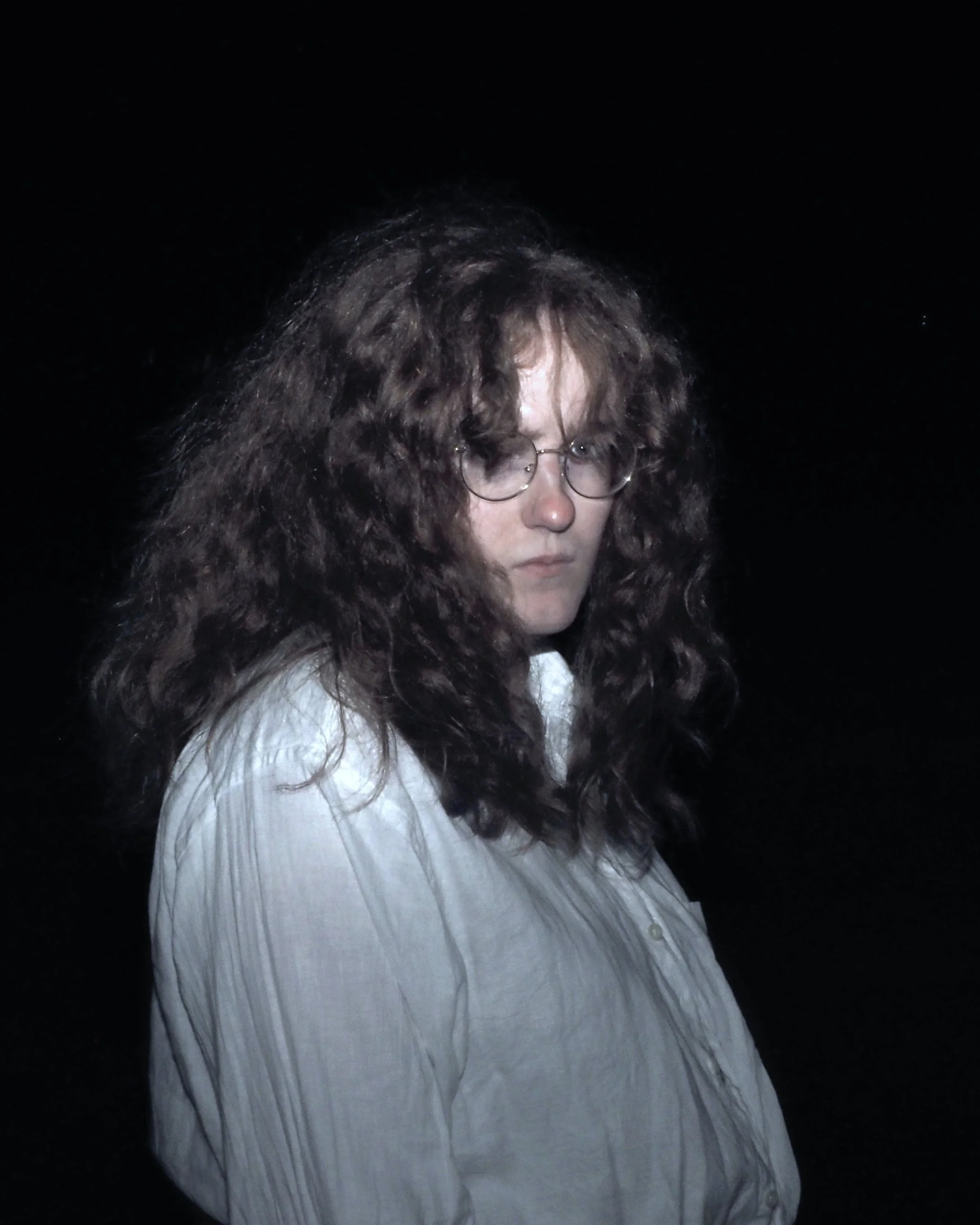
Juniper Evergreen
I love nature and hiking and camping, and I'm a perpetual daydreamer. I've been acting since I was 7 years old. The last time I was in a musical was March 2020, and half of our performances were canceled by the lockdown. Needless to say I'm thrilled to be back onstage singing and performing for you. Starhouse is an incredible community, and I'm so grateful that I was introduced to and continue to be supported by them

Cassian Grove
I am a founding member of Starhouse and have been involved in every show since we started in 2016. Giselle is my first composer credit and I’m honored to have worked on the score with Rory. In my limited spare time, I’m also a theatre teacher, artist, and writer. Check out my art at cassiancreating.carrd.co. I believe that we were put here to have a good time and by god, I’m doing my part.

Eliza Ying He
I’m a writer, translator (Mandarin Chinese-English), and actor based in the San Franscisco Bay Area. I’m currently completing my first poetry collection. Giselle is my first musical theatre production. Find me on instagram @elizayinghe!

Rory Kinsolving
I've been in every Starhouse production since I co-founded it ≈10 years ago, in just about any capacity you can think of. This particular show is especially in line with my own personal artistic inspirations and tastes, so this has all been rather remarkably self-indulgent for me. This is by far the biggest theatrical work I've ever gotten to be part of, and I am beyond grateful to this wonderful cast and crew, and to my co-author and co-composer Cassian—who seems to have said nice things about me in their bio, so now I gotta, too. Even outside of Starhouse, I'm still a musician and songwriter, and my work can be found at roryjohn.bandcamp.com

Clover Lauderdale
No bio submitted.

Cyndi Ledet
I have been acting since the age of ten, and have joined the casts of shows like Sweeney Todd, Spring Awakening, and Little Mermaid. This is my first show with Starhouse, and it's been one of the most incredible experiences I've had in theatre. I'm having fun making some props and saying some lines, and working with the amazing people of Starhouse. In my spare time, I create art of all kinds, swim in my mermaid tail, and hang out with my adorable kitties. I'm excited to do another show with my boyfriend Justin, even if he's just a mere peasant!

Moe Salas
I’m one of the Starhouse board members and the costume designer for Giselle! I’ve had such an amazing time working on this production. Everyone involved in Giselle has given this show so much dedicated effort and heart, I’m so grateful for all the friends I’ve made this summer. I hope to see you all at our next Starhouse production!

Frankie J. Vargas
I am a “Frankie.” If you ask anyone what I’m like, that would be their response. Frankie’s a strong and kind girl who likes to sing and dance and take care of her friends–sometimes to a fault. But in this story, you will find an angry, bitter man who still cares about his friends and the world around them, but makes all the wrong choices in protecting it. He’s a dark reflection of the less favorable parts of myself, and perhaps, if any of you are brave enough, you may recognize your own darkness in this story, too.

Nat Vazquez
Hi! My name is Nat Vazquez and this is my first ever play. At first I was a little nervous, being my first time and all, but being surrounded by a supportive cast made all that anxiety go away. I’m so excited to be a part of Giselle, and so honored for the role I get to play. I grew up listening to stories of La Llorona and her lore was a huge part of my childhood, and now I get to portray her story, how cool is that!
Thank you to every single person that has supported my journey. Love y’all
MUSICAL NUMBERS
Act 1
Harvest Hymn/Tithing Song
Giselle’s Lullaby
Hilarion’s Hunting Song
Albrecht
The Unquiet Grave
Ritual Score
Tarantella Ebrideana
When I Saw You
First Festival Dance (Greasy Coat)
Sea Foam
The Poplar Tree
Connie Converse Medley
Second Festival Dance (Roscoe County Waltz)
Third Festival Dance (Stay All Night)
Giselle’s Dance
Act 2
The Funeral
Resurrection Round
Giselle’s Rage
The Unquiet Grave (Reprise)
Lizzie’s Score
Bad Dreams
Child 173 Fandango (Reprise)
Hilarion
Annabell Lee
Giselle’s Dance (Reprise)
Giselle/Shadow on the Wall
The Three Ravens
SYNOPSIS
Before the play begins, the peasants and musicians warm up and welcome the audience to the space. They are preparing to celebrate the Harvest Festival, in spite of their hardships and the oppression of the nobles. A child in their community has suffered a family tragedy, and they all tell the child stories to help take their mind off of it (“Harvest Hymn/Tithing Song”). The peasants introduce themselves to the audience as they continue to prepare for the festival, establishing their disparate views and narration styles. We meet the sickly and sheltered Giselle and her overbearing but devoted mother, Maisry. Giselle wishes to dance at the festival, but Maisry will not allow her to due to her “weak heart” (“Giselle’s Lullaby"). Hilarion, Giselle’s childhood friend, stops by and angrily waxes philosophical about the nobles’ careless hunting (“Hilarion’s Hunting Song”), before providing Giselle with gifts of food. Hilarion then encounters Albrecht, the nobleman he had seen hunting earlier, and curses him. Albrecht laughs it off, not understanding. Albrecht sees Giselle through her window, and falls for her immediately (“Albrecht”).
The Carpenter tells the audience the story of Orpheus and Eurydice, and the story is acted out in colorful costumes by his fellow peasants (“The Unquiet Grave”). In his version, Orpheus and Eurydice were ancient gods, who decided to have a child. To create this child, they had to each speak the magic words. Eurydice spoke first, and the child was stillborn. When they tried again, Orpheus spoke first, as he should as the man, and the two have several children, each an elemental spirit. However, Eurydice soon gives birth to a fire spirit, and it burns her from the inside out. Orpheus, heartbroken, follows her to the underworld, and sings a song of grief so moving that even Hades pities him, and agrees that Eurydice may follow him back to the land of the living, provided that he does not look back over his shoulder at her on their journey. At this point in the story, the peasants telling the story are interrupted and scared off by the approach of Abrecht and his squire.
Albrecht, realizing that he cannot woo Giselle as himself due to their class difference, disguises himself as a peasant. He and his Squire ritualistically remove and hide his noble attire, hunting horn, and gun.
As the peasants practice a dance for the festival, the Blacksmith reminisces to the audience about her childhood experience of surviving the Strasbourg dancing plague of July, 1518. She tells of two village women, Bessy Bell and Mary Gray, sheltered outside of town to wait out the plague, but one eventually succumbs herself. It gradually becomes clear that the Blacksmith is the surviving woman, though it is left unclear how she has survived. The peasants sing in Scots Gaelic (“Tarantella Ebrideana”).
Albrecht, now disguised as a peasant, asks Giselle to the Harvest Festival. She is, at first, resistant, but the promise of freedom and romance gradually wins her over (“When I Saw You”). Hilarion and Maisry both arrive just as Giselle begins to dance with Albrecht. They are horrified and shoo Albrecht away, and try to warn Giselle that they don’t trust this man. Giselle snaps at them at first, but then acquiesces and goes to her room. Later that day, Albrecht returns to Giselle’s window and helps her sneak out.
The Harvest Festival begins, and the peasants celebrate, even dancing with audience members (“Greasy Coat”). The Squire, waiting for Albrecht, is questioned by the peasants, but responds cryptically and philosophizes about the Little Mermaid, quoting the letters of Hans Christian Andersen and connecting it to his own unrequited love for Albrecht (“Sea Foam”). The peasants begin to supernaturally weep for his story, and he urges them to dance instead.
Giselle and Albrecht join the peasants in celebrating the Harvest Festival. Hilarion begins to piece together who Albrecht is (“The Poplar Tree”). The nobles arrive late, and quickly draw the peasants’ ire. Giselle makes friends with peasants and nobles alike, especially connecting with the noblewoman Bathilde, who is kind, if somewhat condescending. The Weaver leads the other peasants in a ritual play which retells the history of Connie Converse, the American singer-songwriter who disappeared in 1974, but framed as a mythic narrative. The play splinters multiple suggested endings, ranging from the mundane to the fantastical (“Connie Converse Medley”). The nobles are casually cruel and out of touch, the peasants increasingly annoyed, and Bathilde and Giselle bond. Bathilde gifts Giselle a necklace.
The Miller interrupts the show to tell the audience the story of La Llorona, whom he calls Mary Hamilton, servant to Queen Mary. He tells of a beautiful peasant peasant who danced the fandango with many men. She married a nobleman and bore two sons who she resented and neglected for taking away her fun and carefree life of dancing and promiscuity. One day, her sons were found drowned, either due to her neglect or at her own hand, and ever since, her ghost has stalked the shores, drowning unsuspecting children. He warns the audience to stay within their class groups and avoid women who dance too much. During this scene, the Squire silently prompts Hilarion to uncover Albrecht’s hidden finery.
Albrecht dances with Giselle, and impulsively promises his pure and honest love to her for the rest of their lives. The peasants decide to crown Giselle the Harvest Queen, and celebrate her with the last sheaf of the harvest. Hilarion interrupts by blowing Albrecht’s hunting horn, and vengefully reveals Albrecht’s deception and forces him to acknowledge Bathilde, revealing her to be his fiancee. Albrecht admits it, and Bathilde is disgusted at his willingness to become romantically involved with a peasant. Albrecht dismisses Giselle and the peasants to save face. Giselle is inconsolable—betrayed by Albrecht for his lies, but also by Hilarion for publicly humiliating her, and Bathilde for dismissing her. All these feelings boil over, and Giselle goes mad, dancing wildly and erratically until, finally, her heart gives out, and she dies. (“Giselle’s Dance”)
INTERMISSION
The peasants hold a surreal funeral procession for Giselle (“The Funeral”). They gather onstage and perform funerary rites for Giselle. The Preacher delivers a fiery eulogy, which does nothing to calm the increasing righteous anger of the peasants.
The ghost of Peg Entwhistle tells her story to the audience, explaining that on September 16, 1932, she jumped to her death from the H of the Hollywood sign. She had moved to Hollywood to make it as an actress, but just when she had finally made her big break, a supporting role in Thirteen Women, her role was cut due to the controversial fact of it being an explicitly lesbian character. She introduces the Wilis, the ghosts of women who have been wronged by men and who take supernatural revenge on any men who harm women. Peg and her fellow Willis have found strength and warmth in each other as they avenge others like them.
A now-unstable Hilarion returns to mourn privately. He alternately mourns and blames her, asking how she could do this to him. He also brings news of Albrecht’s disappearance from the nobles, Bathilde’s disposal of his ring, the Squire’s quitting of his job, and growing unrest amongst the villagers. He plans to avenge her and all of them. The Wilis reappear, led by their queen, Myrtha. They frighten Hilarion into hiding and then begin to stalk the forest, looking for prey. Myrtha arrives at Giselle’s grave, and decides that Giselle deserves her vengeance as well. The Wilis begin a ritualistic song around Giselle’s grave (“Resurrection Round”). The moment Giselle awakens, the Wilis vanish. Gisell does not at first realize she is dead, and is frightened and confused. She sees Hilarion hiding behind a tree and calls out to him. Terrified, Hilarion runs away.
Giselle breaks down as she realizes that she is dead, progressing from sadness to wild, destructive rage at the injustice of her death, warping the world around her. Myrtha and the Wilis comfort Giselle and help her redirect her anger (“Giselle’s Rage”). As she calms and realizes her situation as a ghost, Giselle begins to deconstruct the expectations she had lived with her whole life. Without Myrtha’s help, she decides to attempt to shed these expectations and claim her own right to grieve and hurt. Myrtha invites her to join the Wilis.
A Wilis, Eurydice, continues the story of Orpheus and Eurydice from act one—she tells that Orpheus promised not to look over his shoulder, but that impatience overwhelmed him, and, right before they made it to the land of the living, he broke his promise and looked. When he looked upon her, he was horrified to see that she was still a rotting corpse, crawling with maggots. Unable to bear it, he looked away. Eurydice, enraged at this betrayal, chased Orpheus across the land until he sealed her in the underworld again (“The Unquiet Grave (reprise)”).
Maisry comes to Giselle’s grave, mourning her death but simultaneously taking it to mean she had been correct to be so controlling. Giselle’s spirit appears to her and, for the first time, stands up for herself, asserting her newfound freedom in death. This scene is interwoven with the simultaneous narrative of the ghost of Lizzie Borden, detachedly explaining to the audience the lead-up to her famous murder of her parents. Lizzie tells of her parents’ abuse, the killing of her pet pigeons, and being caught in a tryst with the family maid. She explains that she was defended in the trial on the grounds of being a woman, and tells the audience she wished she could have confessed, proud of having gotten agency for herself. The maid lied under oath to protect her, leading to Lizzie’s acquittal, but the two never saw each other again. After some conflict, Maisry and Giselle reconcile.
Albrecht arrives to lay lilies on Giselle’s grave. As they pass, Maisry curses him and all the nobles. At the grave, Albrecht blearily witnesses Giselle’s spirit arrive. Doubting his own sanity, he talks to himself about the growing unrest among peasants and nobility alike due to his actions, and justifies the situation to himself, seeming not to understand his own involvement in Giselle’s death. Not noticing Albrecht, Giselle collects herself and rejoins the Wilis. She expresses fear of her own rage and hurt, and the Wilis invite her to continue on with them and judge for herself whether or not she will join their hunt. Albrecht, believing the Wilis to be entrapping her, resolves to follow her and free her spirit with his love (“Bad Dreams”).
The ghost of La Llorona/Mary Hamilton speaks to the audience, saying she had been married to a rich nobleman who lavished her with gifts and attention, but, after she bore him two sons, he became absent and cruel, frequently abandoning her for dalliances with women of his own class. One day, as she was walking by the riverside with her children, her husband came by, openly walking arm-in-arm with a young rich girl. When they passed, he greeted his sons lovingly, but did not even look at his wife. In that moment, Mary’s resentment and frustration boiled over, just for a moment, and she threw her sons into the river. Immediately she realized her mistake, and threw herself in after them to rescue them, but the current was too strong, and they were swept away to drown. She broke down, wandering the riverbank in her tattered white dress, weeping and screaming for her children. She still looks for them to this day, weeping just as hard as she did then. (“Child 173 Fandango (reprise)”).
Hilarion returns, dazed with the desire for revenge against Albrecht. The Wilis torment him and sing to him of his mistakes, of the cruelty of his actions, and of his responsibility in Giselle’s death. Abruptly, he comes face to face with Giselle’s ghost, and realizes the depth of his mistakes throughout his life. He is swept by the Wilis into a lake, and Giselle attempts to rescue him, but he rebuffs her and chooses to let himself sink and drown (“Hilarion”). The Wilis take up his song, feeling a certain kinship with his vengeance, and leave. Giselle lingers for a moment.
Myrtha, to comfort Giselle, tells her story that gradually reveals itself to be her own: a woman (eventually revealed to be Myrtha) witnessed the man she is engaged to, Sweet William, sneak off in disguise to be with her dear friend Annabel Lee from her high chamber window, and died of a broken heart. Myrtha’s ghost then appeared to Sweet William in the night, and asked who he loved better, and Sweet William claimed he loved nobody but Myrtha. Not understanding that she was a ghost, he promised that he would come join her. The next morning, Sweet William, believing himself to have seen Myrtha alive, rode to her family’s house, where they showed him her body. Instead of joining her, he went back to his wife. Myrtha killed her old friend in betrayal and jealousy. (“Annabel Lee”) Myrtha and Giselle recognize something in each other, and Giselle gives Myrtha the necklace she had received from Bathilde.
Albrecht reappears, here to “rescue” Giselle from the Wilis, and begs her to forgive and return with him. Giselle is furious and heartbroken. The Wilis swarm in and surround him, reminding him of what he did—despite his justifications. They force him to dance to the point of exhaustion, mirroring Giselle’s dance at the end of act 1 (“Giselle’s Dance (reprise)”). Once Albrecht is collapsed on the forest floor, more than half dead, Myrtha offers the choice to Giselle as to whether the Wilis should kill him. Giselle tells Myrtha that she has realized how little he means to her, that she doesn’t care whether they kill him or not, and so returns to spend time with her newfound friends. Albrecht is left alone, exhausted and terrified and broken on the forest floor, as the peasants arrive and surround him. His fate is left ambiguous.
Giselle returns and speaks directly to the audience, announcing and performing a solo song she wrote, accepting and grieving her premature death, wishing that she should have done more with the time she had alive with references to the stories told by the other Wilis, and promising that she will use her new found ghostly powers to prevent other girls from dying unfulfilled as she had (“Shadow on the Wall”).
The actors tidy up after the show. The actor playing Giselle goes home early, happily telling her castmates that she “hasn’t decided yet” where she will go after the performance. The remaining actors chat casually out of character, comforting the child and reminding the audience that this was all just a story, and that what could happen next is up to the tellers. They present a number of conflicting options for endings for the various characters. They then lead the audience in a singalong of an old folk song (“The Three Ravens”).
INSPIRATIONS
Giselle was inspired by (in no particular order) Ghost Quartet and Dave Malloy in general; The Black Rider: The Casting of the Magic Bullets; Child ballads; Appalachian folk music; ghost stories; Japanese, Greek, Mexican, and Scottish folklore; Connie Converse; Lizzie Borden; Peg Entwhistle; the dancing plague of 1518; the works Edgar Allen Poe, especially Annabel Lee and Berenice; the letters of Hans Christian Anderson, as well as his stories the Steadfast Tin Soldier and the Little Mermaid; Swan Lake; Carrie; We Have Always Lived in the Castle; I’m Not There (2007); Once on this Island; Over the Garden Wall (2014); ParaNorman (2012); Frozen (2013); Moby Dick; Carmen; Into the Woods; The Matchbox Magic Flute; Twin Peaks; Cinderella (both original and Rodgers and Hammerstein’s); the King James Bible; Yotsuya Kaidan; Anne of Green Gables; Spitzer Space Telescope; the Decembrists; Lankum; W.B Yeats’ “The Second Coming”; and The Faceless Old Woman Who Secretly Lives in Your Home.
CAST:
Ember Belden—Peasant 2, Peg Entwhistle
Neil Birkle—The Child
August Boman—Albrecht (Duke of Silesia)
Lili Borchardt—Giselle (a peasant girl)
Molly Buck—Peasant 3, Lizzie Borden
Sharon Cathcart—Maisry (Giselle’s mother)
Karol-Ann Coleman—The Blacksmith, Rosemary Kennedy
Justin Daugherty—The Miller, The Record Executive, Mary’s Man
Juniper Evergreen—The Weaver, Bridget Bishop
Cassian Grove—The Carpenter
Eliza Ying He—the Fisherman's wife, Connie Converse, Eurydice
Rory Kinsolving—The Preacher
Clover Lauderdale—Peasant 4, Bathilde, Myrtha
Cyndi Ledet—Noble 2
Moe Salas—The Squire, Jeanne d'Arc
Frankie J. Vargas—Hilarion (a gamekeeper)
Nat Vazquez—Peasant 1, Noble 1, Mary Hamilton/La Llorona
BAND:
Ernest Kinsolving—fiddles, percussion, vocals
Heather Wei—fiddle, percussion, vocals
Tony Simons—banjo, percussion, vocals
Rory John—harmonium, percussion, vocals
James dela Rosa—guitar, percussion, vocals
CREW:
Fiona Kinsolving - folkdance choreographer
Lili Borchardt - avant-garde choreographer
Cyndi Ledet - Prop master
Moose Johnson - Fabricator
Sam Grove - Carpenter
Cassian Grove - Scenic designer
Moe Salas - Costume designer
Rory John - music director
Many thanks to our patreon supporters, without whom none of this would be possible:
Betsy Moore
Jennifer Koga
Christine Welsh-Buck
April Durrett
Kris Wilcox
Many, many thanks to the True Fellowship lodge #52 of the California Odd Fellows.